California homeowners’ associations face several new legal requirements following the 2026 legislative session. Three bills addressing reserve funding, residential cooling systems and electric vehicle charging have been signed into law.
For HOA boards, these developments raise important questions about financial planning, governing documents, homeowner rights and liability.
AB 2050: New HOA Reserve Funding Requirements
Beginning January 1, 2032, AB 2050 will require associations to fund reserves at levels intended to prevent projected balances from falling below zero over a 30-year period.
If a reserve study projects a negative balance, associations must transfer at least 15% of their gross annual budget into reserves until the projected shortfall is resolved.
Special assessments may also be required under specified circumstances.
Although implementation is several years away, boards should begin evaluating reserve studies, funding strategies and potential assessment implications now. Associations with inadequate reserves may need to consider changes to regular assessments, long-term budgets and planned capital improvements.
AB 1684: New Protections for Residential Cooling Systems
AB 1684 limits an HOA’s ability to prohibit or restrict qualifying cooling systems within an owner’s separate interest, including air conditioners, fans and heat pumps that meet applicable requirements.
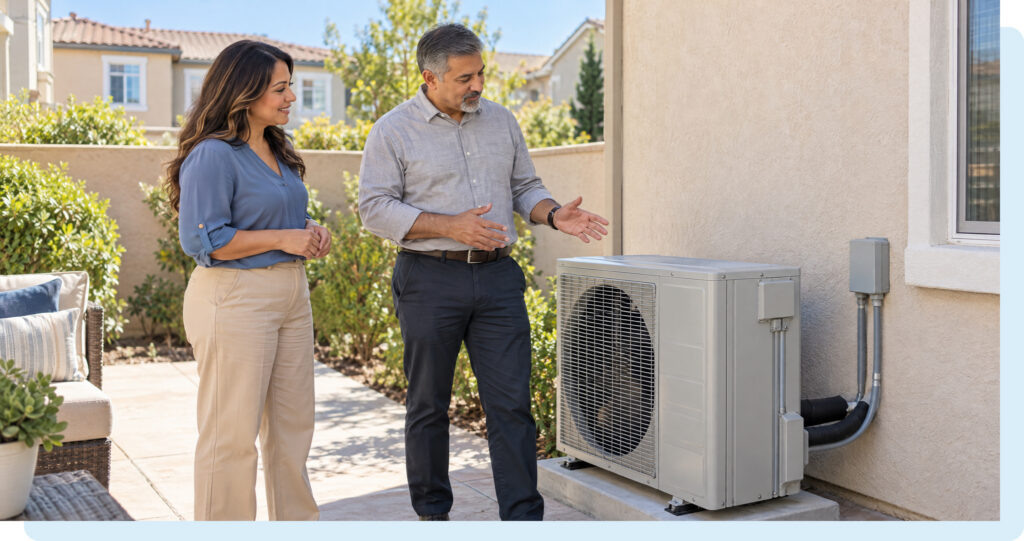
Associations retain certain rights when installations affect common areas or raise safety concerns. However, governing documents and architectural guidelines that conflict with the new law may be unenforceable.
Boards should review existing restrictions and approval procedures. Willful violations can result in damages, civil penalties and attorney’s fees.
SB 1267: EV Charging Station Responsibility and Liability
SB 1267 addresses responsibility for homeowner-owned electric vehicle charging stations installed in HOA common areas.
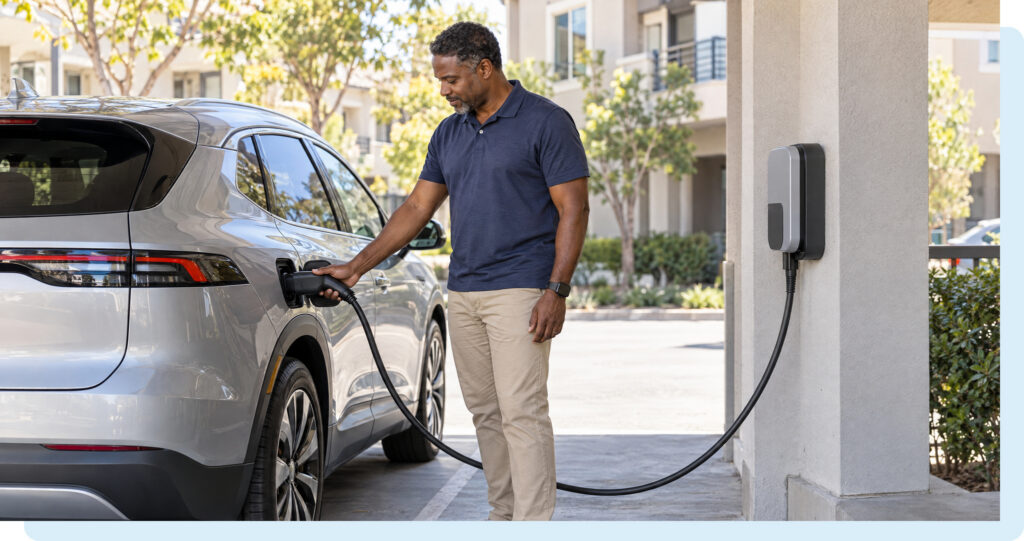
The law clarifies owners’ responsibility for damage associated with charging station use and adds protections concerning installation-related losses. It also addresses association liability, with important exceptions.
For boards reviewing EV charging requests, the legislation reinforces the importance of clear installation agreements, insurance requirements and responsibility for maintenance and damage.
Establishing expectations before approving installations can help associations avoid disputes over costs, repairs and responsibility if problems arise.
Preparing for California HOA Law Changes
These laws add to other evolving HOA compliance obligations, including HOA election notice requirements and the upcoming restrictions on potable water irrigation of nonfunctional turf, which go into effect in 2029.
Attorney Jeffrey Windsor advises California homeowners’ associations on statutory compliance, governance and related legal matters. Contact Windsor PLC to discuss how these changes may affect your community and what steps your board should consider.
Frequently Asked Questions About New California HOA Laws
When do AB 2050’s reserve funding requirements begin?
The new reserve-funding requirements begin January 1, 2032. Boards should review their reserve studies and long-term financial plans before that deadline.
Can California HOAs still regulate residential cooling systems?
Yes, subject to AB 1684’s restrictions and exceptions. Associations should review architectural guidelines and approval procedures to ensure they comply with the law.
How does SB 1267 affect HOA liability for EV charging stations?
SB 1267 clarifies responsibility for damage associated with homeowner-owned charging stations and provides qualified liability protections for associations. Boards should review insurance and installation agreements carefully.